NJ Electric Bills Keep Climbing: When Does Solar Start Making More Sense?
Electricity costs move for reasons most households never see on the bill. Here is how those changes reshape the comparison between buying power from the grid and producing some of it at home.
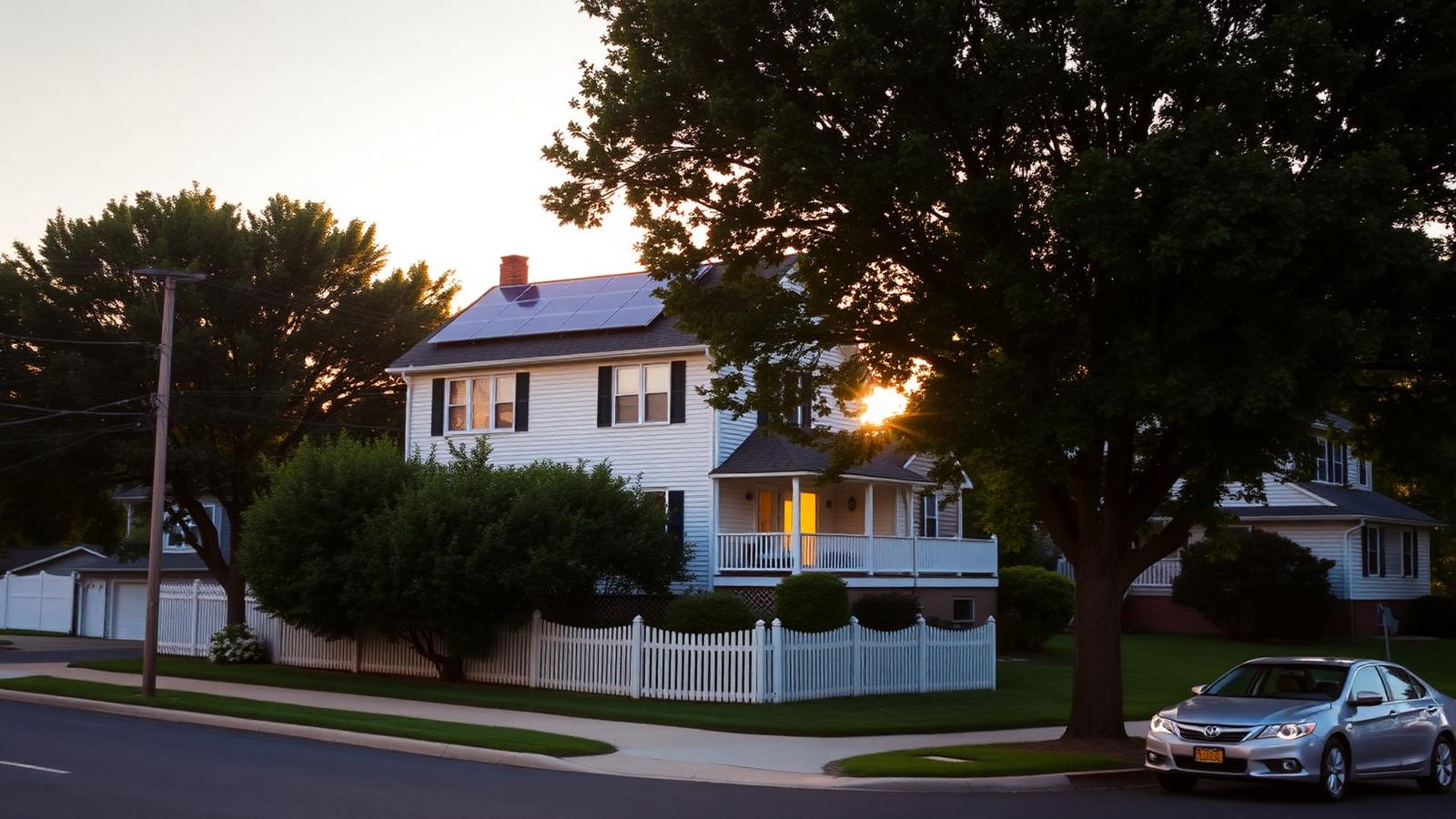
For most New Jersey households, the electric bill is one of the few recurring expenses that changes without anyone in the house deciding to change it. The mortgage is fixed. The car payment is fixed. Electricity arrives every month at a price set by markets, regulators and the weather.
That is the backdrop for a question our readers ask constantly: at what point does producing some of your own electricity make more sense than buying all of it? There is no single answer — but there is a clear way to think about it, and it starts with understanding what you are actually paying for.
Why electricity costs change in the first place
A residential electric bill in New Jersey is not one price. It is a stack of separate charges that respond to different pressures, which is why a bill can rise even in a month when nothing in the house changed.
Supply charges
Supply is the electricity itself. For customers who have not chosen a third-party supplier, it is procured through competitive auctions that reflect wholesale power markets — natural gas prices, regional demand, generation availability. Those markets are volatile by nature, and the results are passed through to customers rather than absorbed by the utility.
Delivery charges
Delivery covers the poles, wires, substations, storm response and metering that move electricity to your home. Utilities recover those costs through rate cases reviewed by state regulators. Delivery charges tend to move less often than supply, but they move in steps that stay in place for years.
Program and societal charges
A smaller set of line items funds statewide programs. Individually they are modest; collectively they are part of why the effective price per kilowatt-hour is higher than the headline supply rate.
Why using less helps — but may not settle the question
Efficiency work is genuinely valuable. Air sealing, insulation, a right-sized heat pump and better controls can meaningfully lower how much electricity a home consumes, and the savings compound every year the improvements stay in place.
But efficiency acts on only one side of the equation. Your bill is consumption multiplied by cost per unit. If consumption falls 12 percent while the effective cost per kilowatt-hour rises by a similar amount, the bill lands close to where it started. Households that have already done the obvious efficiency work often discover this the hard way — the improvements worked, and the bill still went up.
We covered that dynamic in detail in our piece on why cutting usage may not stop rising bills. It is worth reading before assuming efficiency alone will solve a high bill.
What solar actually changes
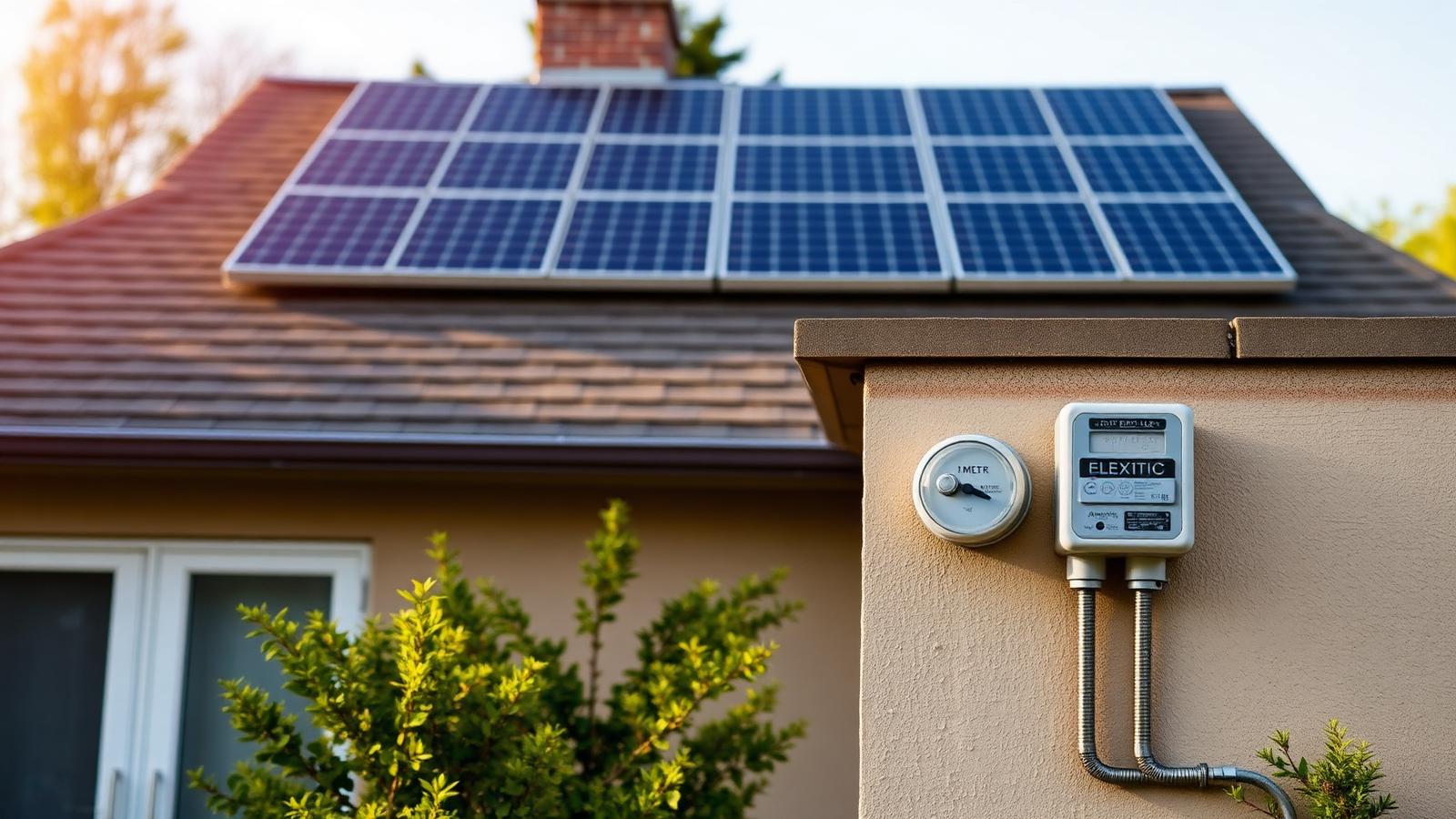
Rooftop solar does not lower the price your utility charges. It changes how many kilowatt-hours you need to buy from the utility in the first place. Electricity produced on your roof and used in your home is electricity you are not purchasing at the retail rate.
That distinction matters for three reasons:
- Solar offsets the full retail value of the electricity it displaces — supply, delivery and program charges included — not just the supply portion.
- It does not eliminate every utility charge. Fixed customer charges and any electricity you still import are still billed.
- Its value scales with how much electricity you use. A home consuming 1,600 kWh a month has far more to offset than one consuming 500 kWh.
Why higher-consumption homes have more reason to look
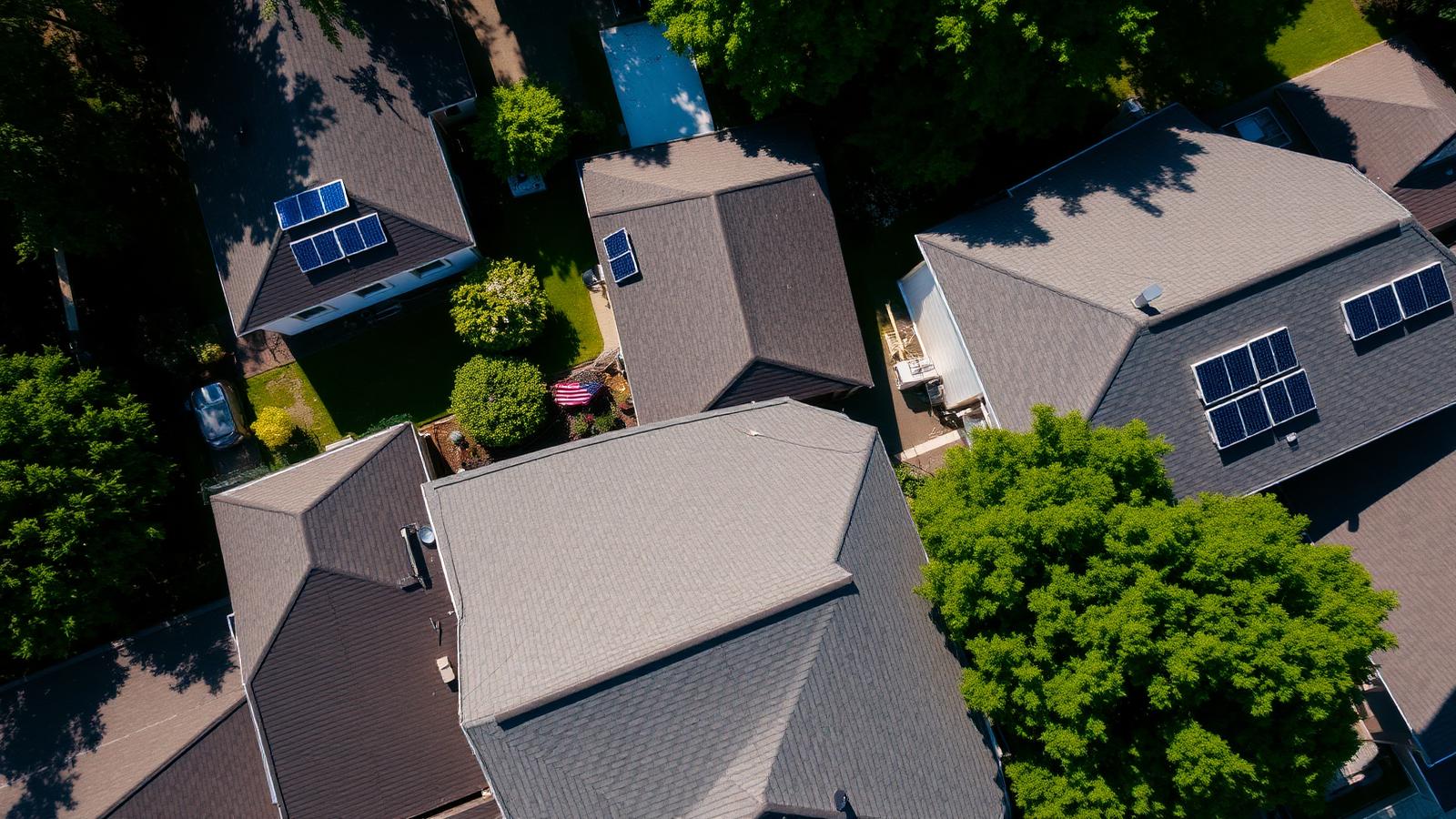
The homes where a solar evaluation tends to be most worthwhile are not necessarily the largest ones. They are the ones with high, steady, year-round electricity consumption: central air conditioning, electric water heating, a heat pump, a pool pump, an EV charger, or simply a full house with people home during the day.
The reason is arithmetic. The economics of a solar project depend on the value of the electricity it displaces. A household spending $90 a month has limited room for a project to work in. A household spending $300 a month is displacing more than three times as much value from the same equipment cost per panel.
| Household profile | Typical annual usage | Why it affects the evaluation |
|---|---|---|
| Small home, gas heat and hot water | Lower | Less electricity to offset; a smaller system may be all that fits the usage |
| Central A/C, all-electric kitchen | Moderate | Summer-heavy usage that often aligns well with peak solar production |
| Heat pump, EV charging, home office | Higher | Year-round load; the largest volume of retail electricity available to displace |
The factors that decide whether it works for your house
Consumption is only the first screen. Four physical and financial characteristics do most of the remaining work.
Roof orientation and pitch
South-facing roof planes generally produce the most electricity in New Jersey, with east and west planes producing less but still meaningfully. A roof whose only usable slope faces north is a much harder case.
Shading
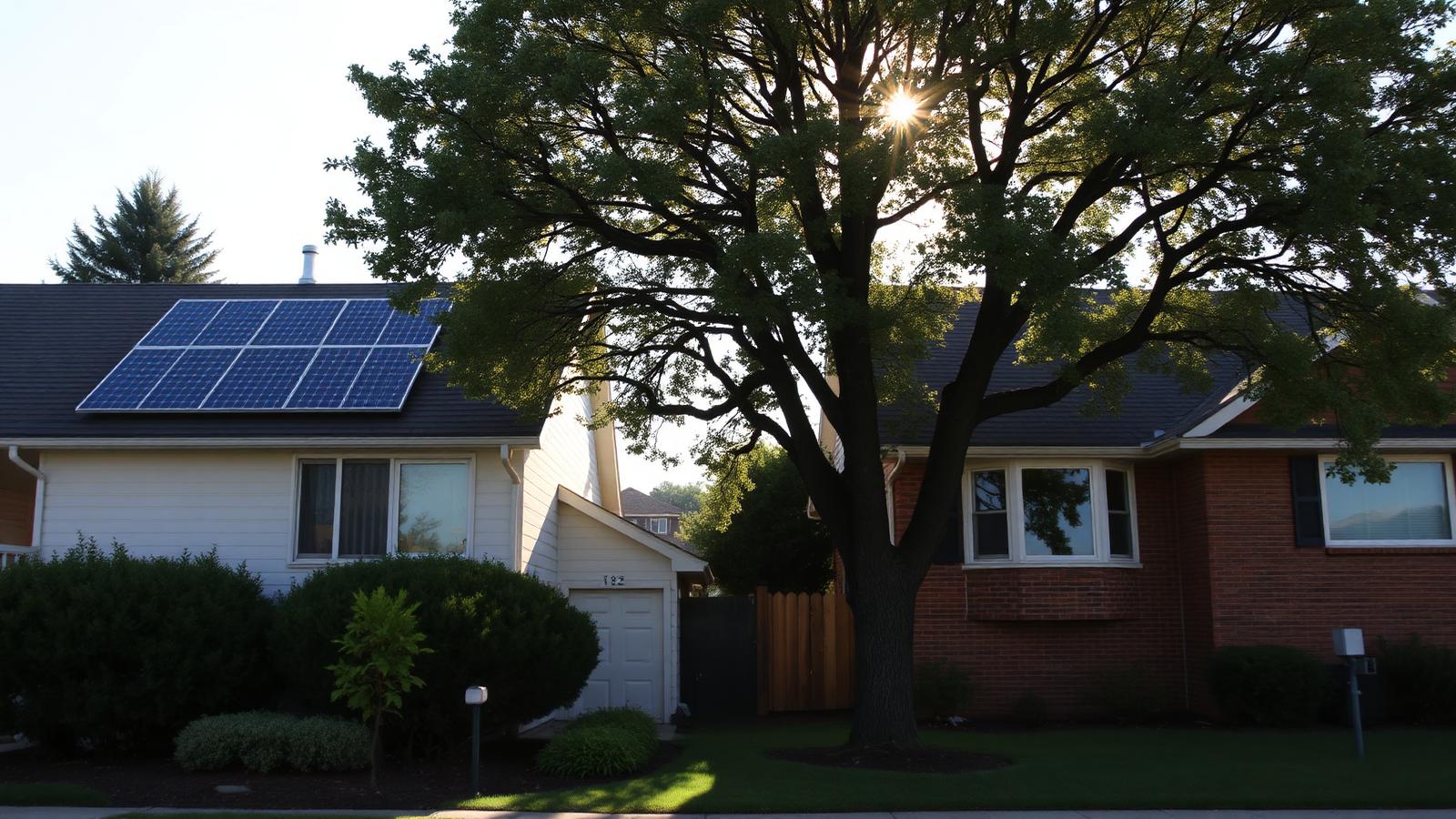
Mature trees are common across much of New Jersey and are one of the most frequent reasons a home is not a strong candidate. Shading is evaluated across the whole year, not on a single sunny afternoon.
Roof condition and available area
Panels are designed to last decades. Mounting them over shingles near the end of their life creates a future removal-and-reinstall expense. If your roof is aging, read our guide to roof replacement before solar before committing to anything.
Project structure and financing
The same equipment on the same roof produces very different economics depending on whether it is purchased outright, financed with a loan, or covered by a lease or power purchase agreement where available. Qualifying homeowners may have $0 upfront options, but the structure determines who owns the system, who claims available incentives, and what the monthly obligation looks like.
Why there is no universal break-even point
Articles that quote a single payback figure for an entire state are, at best, describing an average home that does not exist. The inputs that determine payback — annual kilowatt-hours, effective rate, roof geometry, shading, system size, financing terms, and which incentives a particular project qualifies for — vary enormously between two houses on the same block.
A homeowner who wants a real answer needs their own numbers, not a regional average. Potential savings are estimates, and actual results vary.
What This Means for NJ Homeowners
- Find your effective cost per kilowatt-hour before comparing anything. It is the anchor for every other calculation.
- Pull twelve months of usage. Summer-only data will mislead you in either direction.
- Treat efficiency and generation as sequential, not competing: reduce what you can, then size any project to the improved home.
- Be skeptical of any savings figure produced without seeing your roof and your usage history.
- If your roof is more than about 15 years old, resolve that question before, not after, an energy project.
The useful comparison is not solar versus the grid in the abstract. It is your actual electricity spending against the specific alternatives available to your specific home.
- Electricity Rates
- Solar
- Home Energy