Why New Jersey Homeowners Could See Higher Energy Bills This Year
Changes in electricity rates and regional energy costs could impact household utility bills across New Jersey. Here's what homeowners should know.
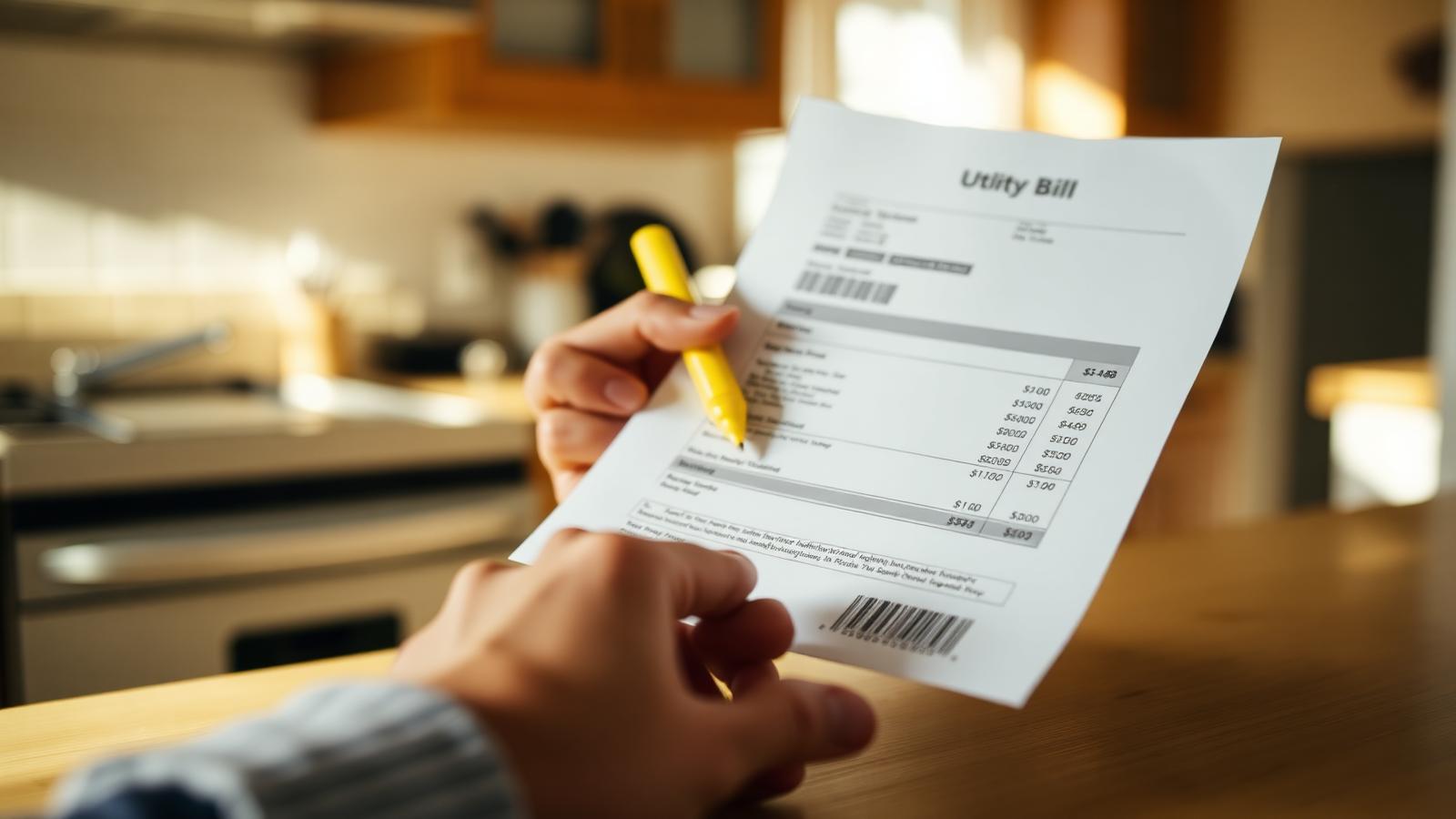
New Jersey households are heading into another year of uncertainty about what shows up on the monthly utility bill. Between annual electricity supply auctions, regional grid capacity costs and the delivery charges utilities recover through rate cases, several separate forces can push a bill higher at the same time — often without a single dramatic headline to explain it.
Understanding which part of the bill is moving is the difference between feeling blindsided and being able to act. Supply charges, delivery charges and usage each respond to different pressures, and homeowners have meaningful control over only one of them.
Three separate pressures on the same bill
Most residential bills in New Jersey are split into two halves: the electricity or gas you actually consume, and the cost of moving it to your home. Both halves can change in the same year.
- Supply costs, set through competitive auctions that reflect wholesale power markets.
- Delivery and distribution charges, which utilities ask regulators to adjust in rate cases.
- Regional capacity costs, the price the grid operator pays to guarantee power is available on the hottest afternoons.
When two or three of those move up together, the total on the bill climbs faster than any single line item would suggest. That is why two neighbors with identical usage can experience very different percentage increases depending on their utility and service territory.
What a typical household actually pays for
| Bill component | Who sets it | Can a homeowner change it? |
|---|---|---|
| Supply / generation | Competitive auction or third-party supplier | Yes — by shopping or reducing usage |
| Delivery | State regulators via rate cases | Only by using less |
| Societal / program charges | Statewide policy | No |
| Usage (kWh or therms) | Your household | Yes — the biggest lever |
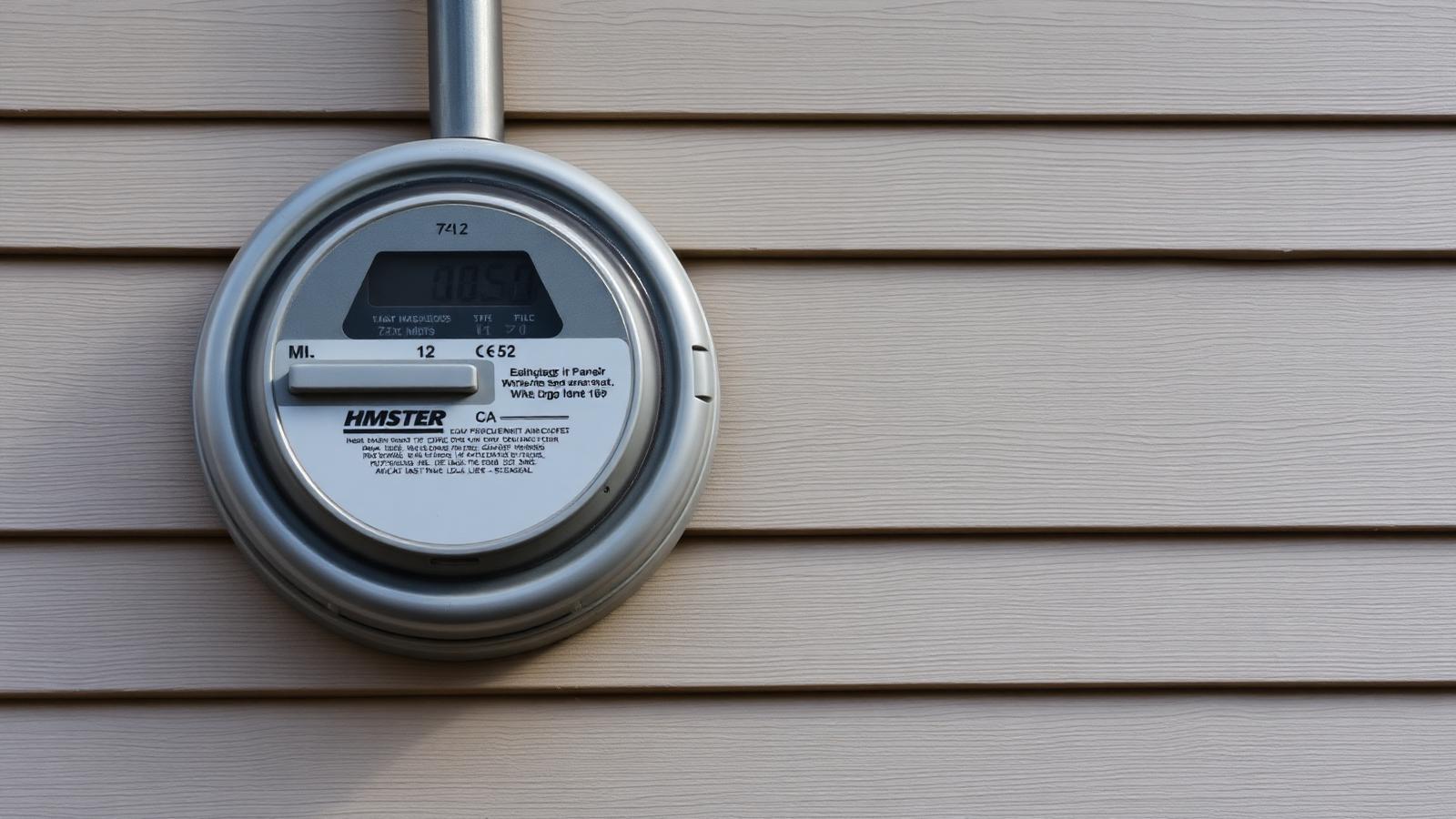
Because delivery and program charges are fixed by policy, the practical lever for most households is consumption — and consumption is heavily concentrated in heating, cooling and water heating.
Where the increases tend to land hardest
Homes with aging central air conditioning, minimal attic insulation or original single-pane windows feel rate changes most sharply, because they simply move more energy through the meter to reach the same comfort level. Older housing stock in northern and central New Jersey is especially exposed during summer peak weeks.
"Rate changes get the headlines, but the size of your bill is still mostly a function of how much energy your house wastes."
What homeowners can do now
- Pull twelve months of bills and compare kilowatt-hours, not dollars, to see whether usage or price is driving the change.
- Ask your utility about budget billing to smooth seasonal spikes.
- Schedule a home energy assessment before peak season, when contractor availability is better.
- Check current state and utility rebate programs before buying any major equipment.
- Electricity Rates
- PSE&G
- Utility Bills