7 Signs Your New Jersey Home May Be Worth Evaluating for Solar
None of these guarantee anything. Together, they describe the kind of property where a serious evaluation tends to be worth the time.
Solar is not right for every house in New Jersey, and anyone who tells you otherwise is selling rather than advising. But there is a recognizable profile of homes where an evaluation tends to be productive.
Here are seven signs. Think of them as reasons to ask the question, not as an answer to it.
1. Your electricity bill is consistently high
Not one bad August, but a sustained pattern. A household regularly spending $200 to $400 or more per month has enough retail electricity in play for a project to have something to work with. Our ten-year cost breakdown puts that spending in perspective.
2. You use substantial electricity throughout the year
Year-round load matters more than a seasonal spike. Homes with electric water heating, a heat pump, EV charging, a pool pump or people home during the day have a consumption curve that on-site production can serve across more of the year.
3. You own the property
Solar projects modify the structure and involve long-term agreements, so ownership is generally required. Condominium and townhouse owners should check association rules and whether the roof is individually or commonly owned before going further.
4. Your roof receives good sunlight
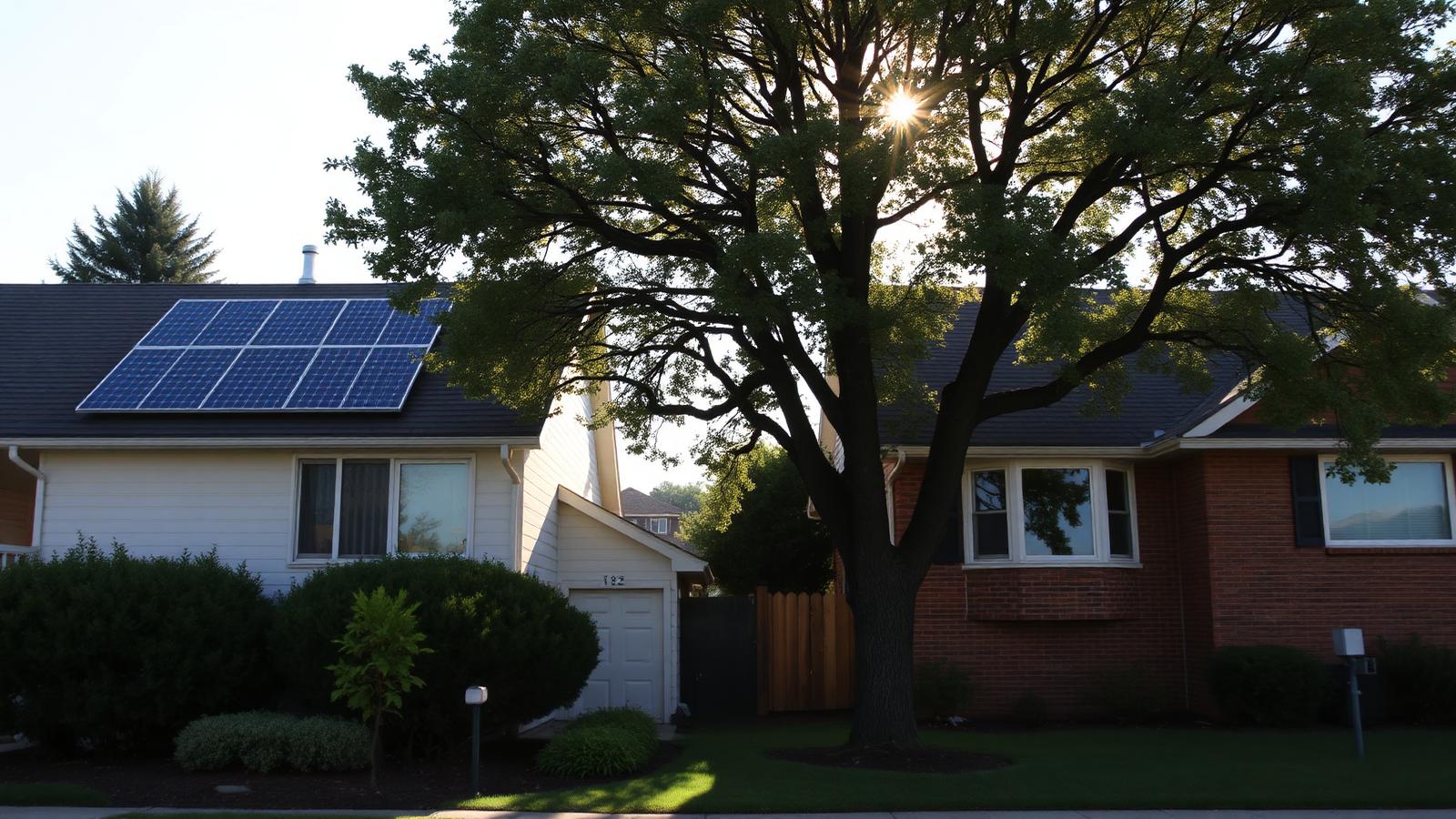
South-facing planes generally produce best in New Jersey, with east and west producing less but still usefully. What matters most is whether the good planes are unobstructed across the whole year — including winter, when the sun sits low and nearby trees cast much longer shadows.
5. Your roof has adequate usable space
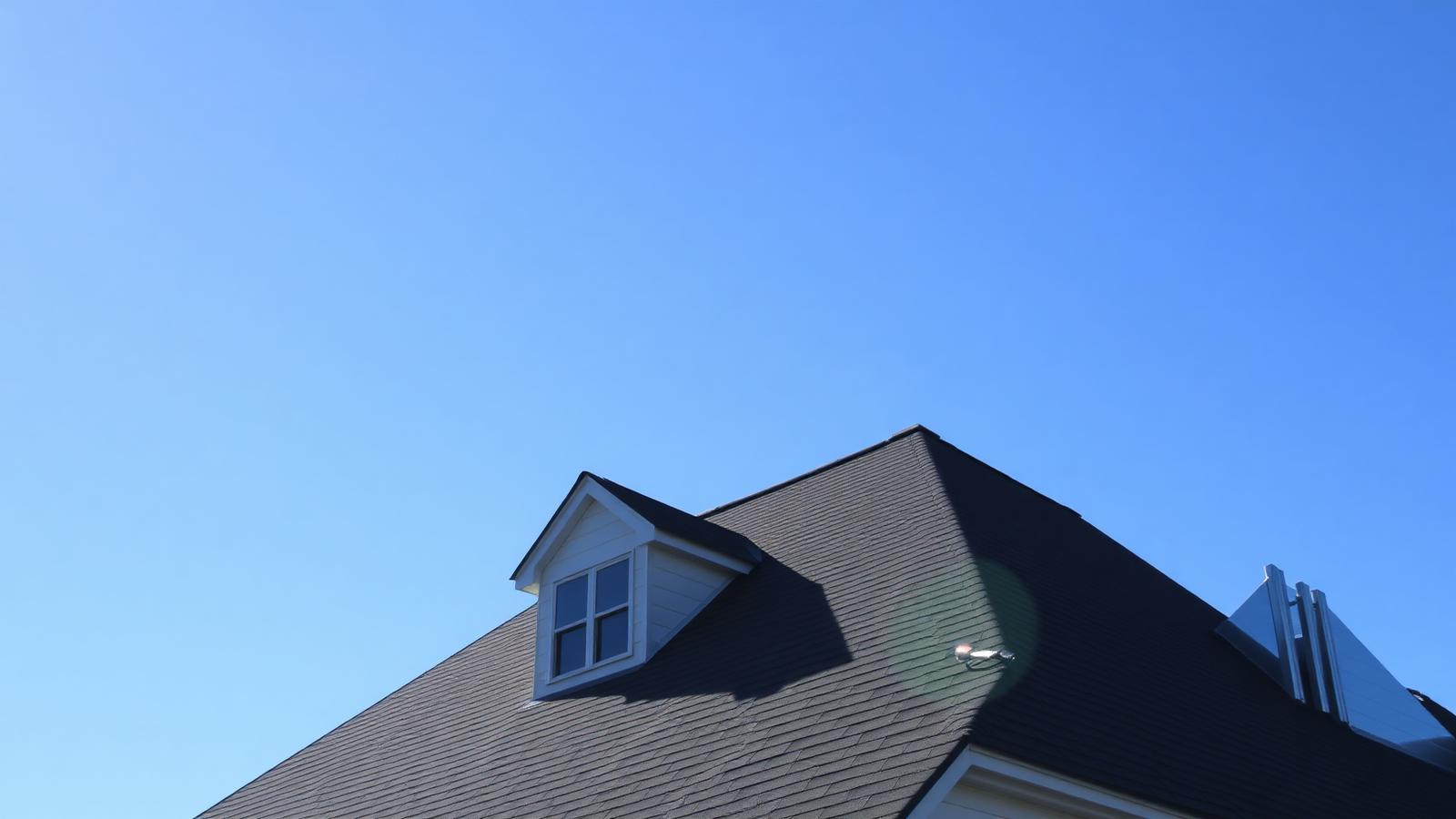
Usable is the operative word. Vents, chimneys, dormers, skylights, valleys and required setbacks all reduce the area available for panels. A large roof chopped into small segments may hold less than a smaller, simpler one.
6. You expect to remain in the home
Long-term structures assume a long-term occupant. Households planning to move within a couple of years should understand precisely how their chosen structure transfers at sale before committing — and may reasonably decide to wait.
7. You want an alternative to fully variable utility costs
Some homeowners are primarily motivated by predictability rather than headline savings. A fixed project payment converts part of a variable expense into a known one. That is a legitimate reason to look, provided it is not confused with a guarantee of lower total cost.
The disqualifiers worth knowing early
- Heavy year-round shading with no practical remedy.
- A roof at the end of its service life that will not be addressed first.
- Very low electricity consumption, which limits what any project can offset.
- No usable roof plane with reasonable orientation.
- Structural conditions that make mounting impractical.
None of these are moral failings. They are just facts about a building, and knowing them early saves everyone time.
What This Means for NJ Homeowners
If you recognized your home in four or five of these, an evaluation will probably tell you something useful. If you recognized it in one or two, your time is better spent on efficiency work first.
Either way, the evaluation itself should start with your own numbers rather than a general profile — including this one.
- Solar
- Home Energy
- Homeowners