Could Your Electric Bill Be High Enough to Make Your Home a Good Candidate for Solar?
A high monthly payment is a reason to ask the question. It is not, by itself, an answer — and the difference between the two saves homeowners a lot of wasted time.
"My bill is $300 a month — should I get solar?" is one of the most common questions we receive, and the honest answer is that the question is missing most of its inputs.
A monthly dollar amount is a summary of two things a solar evaluation needs to separate: how much electricity you used, and what you paid per unit. Two households with identical $300 bills can have completely different solar potential, because one used 1,400 kilowatt-hours at a lower effective rate and the other used 900 at a higher one.
Why the dollar figure alone is not enough
A solar system produces kilowatt-hours, not dollars. The dollars follow from how many kilowatt-hours the system produces, how many of them your household actually uses, and what those kilowatt-hours would have cost you from the utility.
So the evaluation has to work in energy units first and convert to money second. That is the reverse of how most homeowners think about their bill, and it is the single most common source of confusion.
5 Things We Look at When Evaluating a Home
1. Annual kilowatt-hours
Twelve months of consumption, not one. Seasonal patterns matter enormously: a home with a heavy summer cooling load has a different profile than one with electric heat driving winter consumption, and system sizing follows the shape of the year, not a single month.
2. Current utility costs and rate structure
Which utility serves the property — PSE&G, JCP&L, Atlantic City Electric or Rockland Electric — affects the delivered price of electricity and the applicable tariff. Whether the household is on a standard residential rate, has chosen a third-party supplier, or is on a time-varying rate all change the value of each displaced kilowatt-hour.
3. Roof characteristics
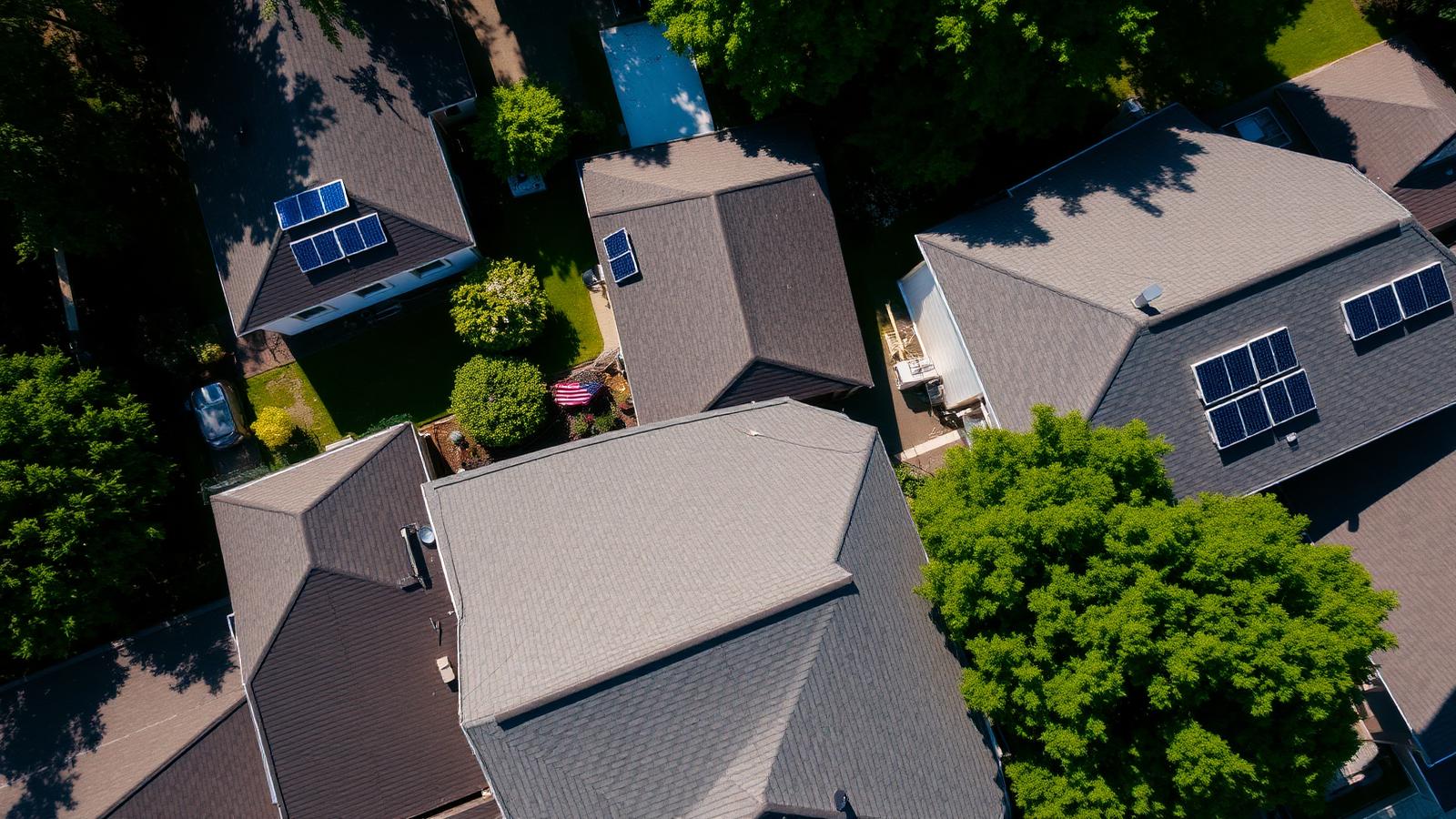
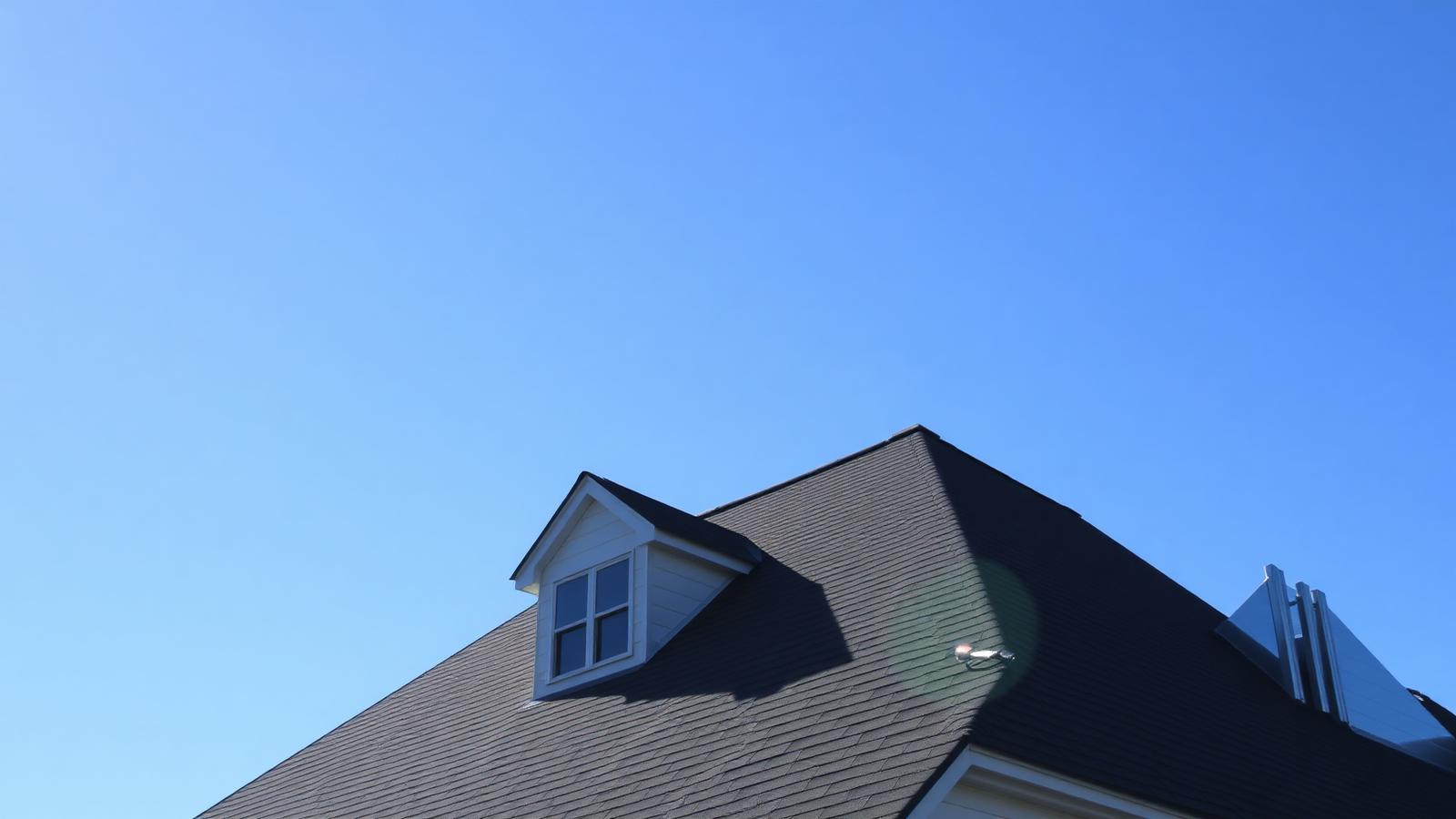
Usable area, pitch, orientation, obstructions such as vents, chimneys and dormers, and the structural condition of the deck. Also roof age: panels are designed to remain in place for decades, so a roof with limited remaining life is a scheduling problem that should be solved before installation, not after.
4. Solar exposure
Shading across the full year, from trees, neighboring structures and the home's own roof geometry. New Jersey's mature tree canopy is one of the most frequent reasons an otherwise suitable home turns out to be a weak candidate. Winter shading, when the sun sits lower, is often worse than a summer site visit suggests.
5. Available project structures and programs
What a project would actually cost the household depends on the structure available to it — purchase, loan, or lease/PPA where offered — along with eligibility for applicable federal or state incentives at the time of the project. Incentive programs change; a current evaluation should reflect the rules in effect when the project is quoted, not a figure copied from an old article.
Why a $300 bill is not a guarantee
Consider two homes, both paying $300 a month.
| Home A | Home B | |
|---|---|---|
| Monthly bill | $300 | $300 |
| Monthly usage | 1,350 kWh | 950 kWh |
| Main roof plane | South-facing, unshaded | North-facing; south plane heavily shaded |
| Roof age | 6 years | 19 years |
| Evaluation outcome | Strong candidate worth modeling in detail | Weak candidate as-is; efficiency and roof work come first |
Home B is not a failure — it is a home where the honest answer is "not right now, and here is why." A good evaluation is as willing to reach that conclusion as the opposite one.
Why high consumption makes the evaluation worthwhile
None of the above means high usage is irrelevant. It is the reason the question is worth asking at all.
The value a solar project can deliver is bounded by the retail electricity it displaces. A household consuming 18,000 kilowatt-hours a year simply has more to work with than one consuming 6,000. High consumption does not guarantee a good outcome, but low consumption meaningfully limits the ceiling — which is why evaluations tend to be most productive for homes at the higher end.
What This Means for NJ Homeowners
- Pull your annual kilowatt-hours before asking anyone for a quote. It is the number that makes every other conversation productive.
- Know your utility and your rate structure; they change the value of each displaced kilowatt-hour.
- Look honestly at your roof's age, orientation and shading before getting attached to an outcome.
- Expect a real evaluation to sometimes conclude that your home is not a strong candidate.
- Potential savings are estimates based on your home's electricity usage. Actual results vary.
The fastest way to move from a generic question to a specific answer is to put your own twelve months of usage in front of someone who can model it against your roof.
- Solar
- Home Energy
- Electricity Rates