Can You Replace Your Roof When Going Solar in New Jersey? Here's How It Can Work
For homeowners who need both, coordinating the two projects avoids paying for the same square footage twice. Here is how the scopes fit together — and how the money actually works.
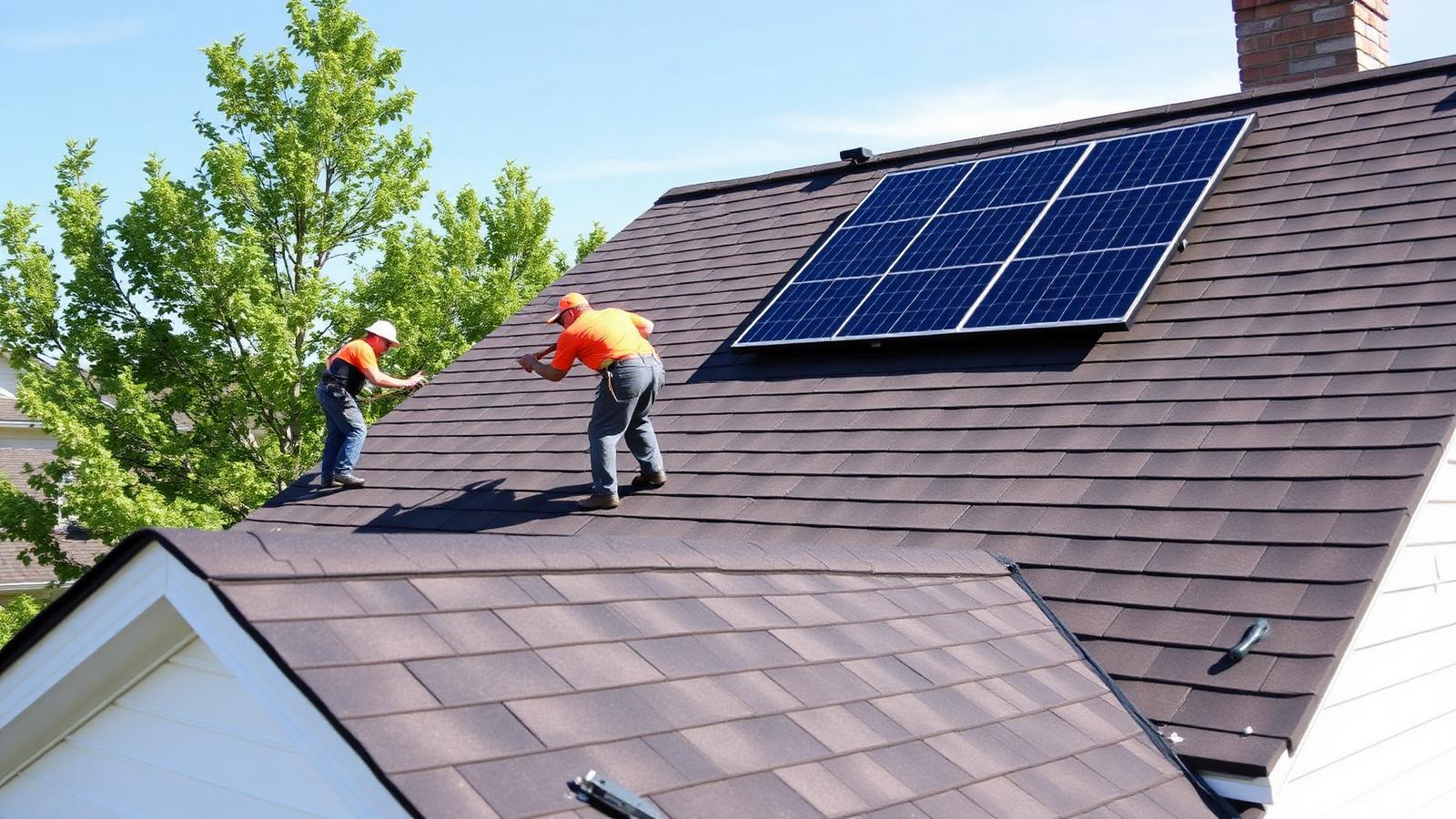
A significant share of the New Jersey homeowners who look seriously at solar discover the same thing during the evaluation: the roof needs attention first. That is not a reason to abandon the project. It is a reason to plan both pieces as one.
Coordinating the two is common, well understood by contractors who do it regularly, and — when the money is explained honestly — often the most sensible path for a household that needs both.
Why roof condition drives the schedule
Solar mounting hardware penetrates the roof surface and attaches to the structure below. Once an array is in place, any roofing work underneath it requires removing the array first.
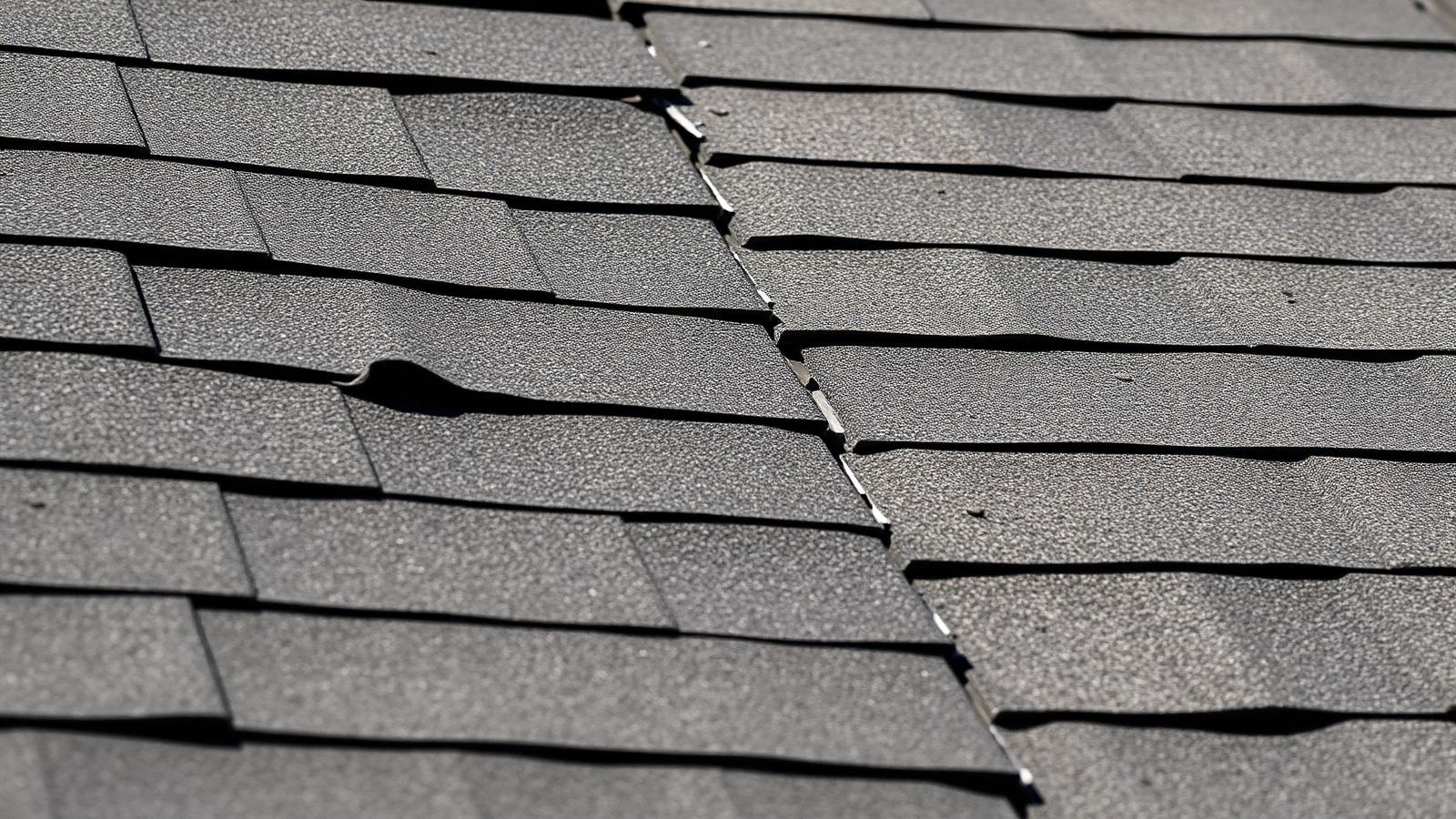
That means the roof effectively sets the schedule. If it has 20 years of life left, the energy project can proceed on its own timeline. If it has five, installing over it commits the household to a removal and reinstallation expense within the array's first decade. We covered the mechanics of that in our guide to whether your roof needs replacing before solar.
Three ways homeowners handle both
Separate projects, sequenced
The roof is replaced as a standalone job, paid for or financed on its own terms. The energy project follows once the new roof is in place. This is the cleanest separation of scope, warranty and cost, and it is the right answer for many households — particularly those who already planned roofing work.
Coordinated scheduling, separate contracts
Both projects proceed close together, with the roofing completed first so the array mounts on new material. The contracts remain distinct, but the timing is arranged so crews are not working around each other and penetrations are integrated properly.
Combined project scope
Both scopes are handled within a single project, with the roofing work carried inside the overall project structure. This is where the financing questions get more involved, and where careful reading matters most.
| Approach | Main advantage | What to watch |
|---|---|---|
| Separate, sequenced | Clearest cost and warranty separation | Two financing conversations; two schedules |
| Coordinated timing | Array mounts on new roofing; no rework | Requires genuine coordination between trades |
| Combined scope | One project, one structure, one schedule | Understand exactly how the roof cost is carried and what the total obligation is |
Can the Roof Really Cost $0 Upfront?
This deserves a direct answer, because the phrase circulates widely and is frequently misunderstood.
A qualifying project structure may eliminate a separate upfront payment for the roof. That is a genuine thing that happens. What it does not mean is that the roof has no economic cost.
Any homeowner presented with a combined project should be able to get straightforward answers to these questions, in writing:
- What is the total cost of the roofing scope, stated separately?
- How is that cost carried — financed, incorporated into payments, or otherwise?
- What is the total-of-payments across the full term for the combined project?
- Who holds the roofing warranty, and what are its terms?
- Who is responsible if a roof issue arises after the array is installed?
- What happens to the obligation if the home is sold?
A provider who answers these clearly is worth continuing with. A provider who redirects to the monthly payment is not.
What the roofing scope typically includes
A proper roof replacement done in coordination with an energy project generally covers:
- Tear-off of existing shingle layers and inspection of the decking underneath.
- Replacement of any compromised sheathing found during tear-off.
- New underlayment, ice-and-water shield at vulnerable areas, and flashing.
- New architectural shingles and ridge ventilation appropriate to the roof.
- Integration of solar mounting penetrations into the new roofing assembly rather than added after the fact.
- Cleanup, magnetic sweep and disposal.
Who this makes sense for
Coordinating both is not automatically the right call. It tends to fit households where several of the following are true:
- The roof is at or near the end of its service life and will need work within a few years regardless.
- Electricity usage is high enough that an energy project is worth evaluating on its own merits.
- The roof has usable orientation and adequate unshaded area.
- The homeowner expects to remain in the home long enough for a long-term structure to make sense.
- The household prefers one coordinated project over managing two.
Where those conditions are not met — a newer roof, modest electricity usage, heavy shading, or a likely move in the near term — separating the projects or deferring the energy work is often the better decision.
What This Means for NJ Homeowners
If you need a roof and you are curious about solar, evaluating them together will give you a more accurate picture than evaluating either alone. Just insist that the roof's cost be visible in the numbers, whatever structure carries it.
Eligibility, available structures and estimated savings all depend on your specific property and circumstances. Actual results vary.
- Roofing
- Solar
- Home Improvement
- Financing