Does Your Roof Need Replacing Before Solar? What NJ Homeowners Should Know
Panels are designed to stay put for decades. The shingles underneath them are not. Getting the order wrong is one of the more expensive mistakes in home energy work.
It is the least glamorous question in home energy and one of the most consequential: how much life is left in your roof?
A rooftop solar array is designed to operate for decades. The asphalt shingles beneath it are typically rated for a shorter service life, and in New Jersey's climate — freeze-thaw cycles, summer heat, coastal wind, nor'easters — they often reach the end of it sooner than the label suggests.
The questions an installer will ask about your roof
How old is it?
The starting point. If you have documentation of the last replacement, find it. If the roof is more than about 15 years old, expect the question to be examined closely rather than waved through.
How much service life remains?
Age is a proxy; condition is the actual measure. A 14-year-old roof with good ventilation on a shaded northern exposure may have substantial life left. A 12-year-old roof on a sun-baked southern plane with poor attic ventilation may not.
Is it leaking, or has it leaked?
Active leaks disqualify a roof from installation until they are resolved. Past leaks matter too, because water that has reached the decking may have compromised the structure the mounting hardware attaches to.
What condition is the decking in?
Mounting hardware is fastened into rafters or decking. Soft, delaminated or previously water-damaged sheathing is not an acceptable substrate, and this is not something that can be assessed from the ground.
What condition are the shingles in?
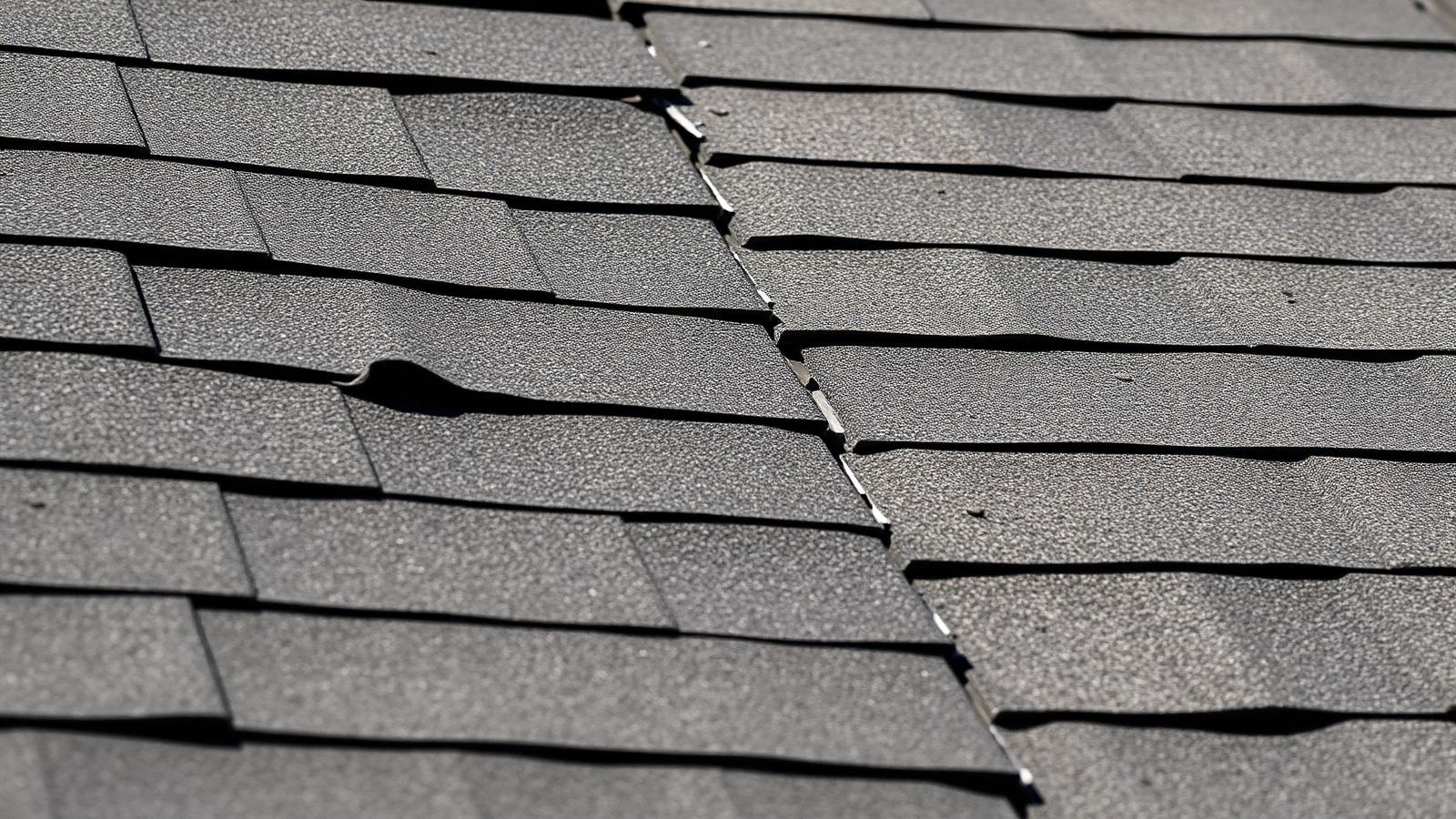
Curling edges, granule loss collecting in gutters, cracked or missing tabs, and visible sagging along the plane are all signals. So is a roof that has already been layered over a previous installation — many jurisdictions and manufacturers limit this, and it affects how mounting hardware performs.
| Roof situation | Typical implication for a solar project |
|---|---|
| Under 10 years old, no issues | Usually proceeds without roof work |
| 10-15 years, good condition | Often proceeds; documented inspection recommended |
| 15+ years or visible wear | Roof work generally addressed before or with the project |
| Active leak or damaged decking | Must be resolved before any installation |
| Multiple existing shingle layers | Usually requires tear-off before installation |
What happens if you skip this step
Installing an array over a roof near the end of its life does not cause an immediate problem. It creates a scheduled future one.
When the roof eventually fails, the panels have to come off before the roofing crew can work, and go back on afterward. That involves de-energizing the system, detaching and storing panels and racking, patching or replacing the mounting penetrations as part of the new roof, then remounting, rewiring and re-commissioning the array — with the system offline throughout.
There is also a warranty dimension. Roofing manufacturers set requirements about penetrations and installation practices. Work performed out of sequence, or by parties not qualified under those requirements, can affect coverage. Ask about it before, not after.
What If My Roof Isn't Ready?
This is not a dead end. It is a sequencing question, and there are three common paths.
Replace the roof first, then evaluate solar separately
The simplest approach. The homeowner completes the roofing work as its own project, then evaluates energy work on a roof with a full service life ahead of it.
Coordinate both scopes
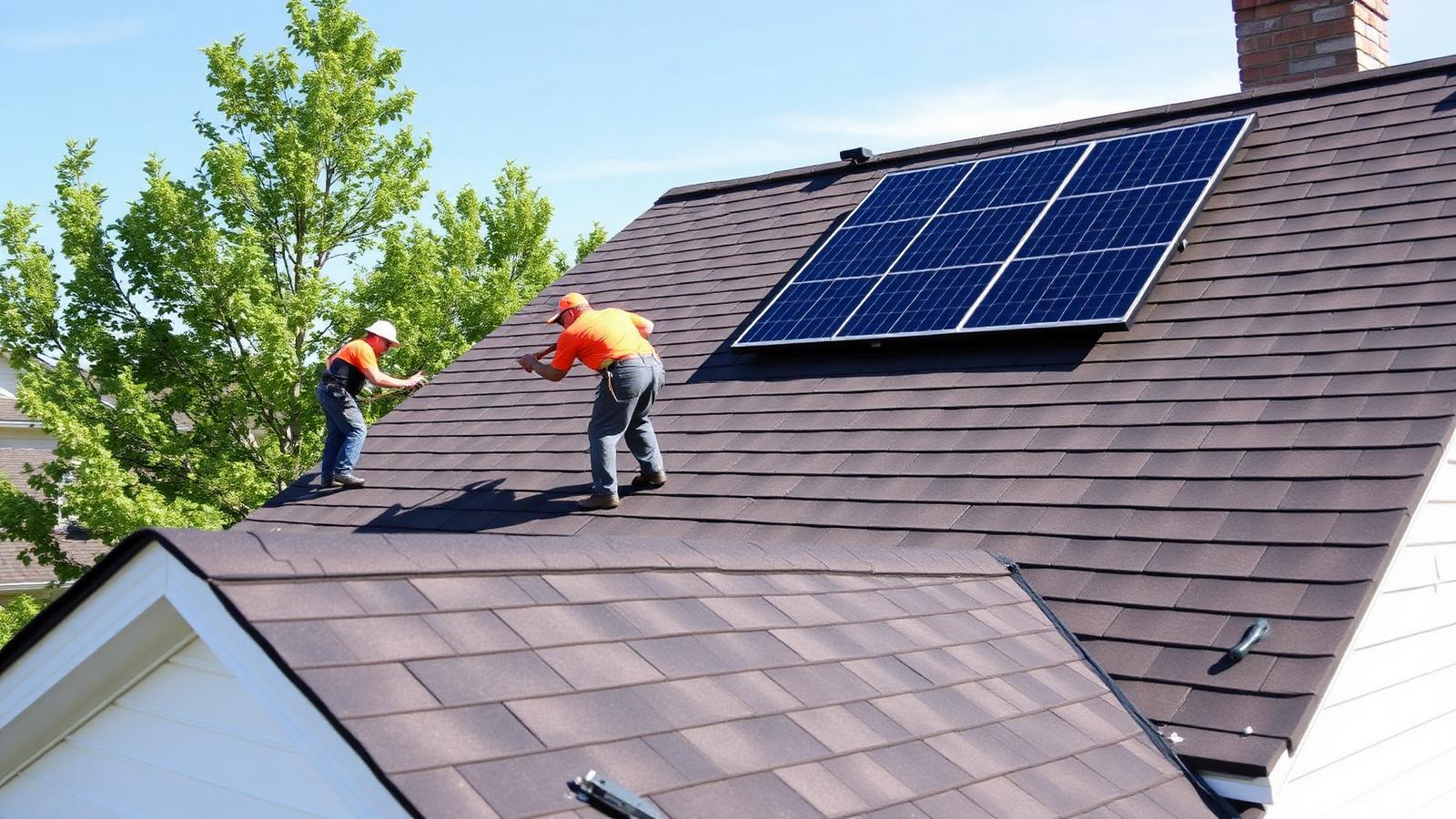
Roofing and installation are scheduled together so the array is mounted on new material and the penetrations are integrated during the roofing work rather than added afterward. This avoids doing the same work twice.
Address roofing within a qualifying energy project
Depending on the project structure and the provider, some qualifying projects may allow necessary roofing work to be addressed alongside the energy improvements rather than paid separately upfront. This does not make the roof free — its cost is incorporated into the project's overall financing or structure. Homeowners should ask exactly how the roof cost is being carried and what the total obligation is.
Practical steps before you commit to anything
- Locate documentation of your last roof replacement, including any manufacturer warranty.
- Have the roof inspected by a qualified roofing professional, separately from any solar sales visit.
- Check the attic for daylight, staining, damp insulation and evidence of past leaks.
- Look in your gutters for shingle granules — a straightforward wear indicator.
- Ask any solar provider, in writing, what happens if the roof needs replacement during the system's life.
What This Means for NJ Homeowners
The roof question is not a delay to work around. It determines whether an energy project makes sense at all, and it determines what the project should actually include. Answer it honestly at the beginning and the rest of the process gets simpler.
If your roof is in good shape, that is one fewer variable. If it is not, you now know the real scope of what you are evaluating — which is far better than finding out in year eight.
- Roofing
- Solar
- Home Improvement