The Hidden Cost of Buying Electricity From the Utility Every Month
There is nothing wrong with buying power from the grid — it is how nearly every household operates. But it is worth understanding what that arrangement does and does not build over twenty years.
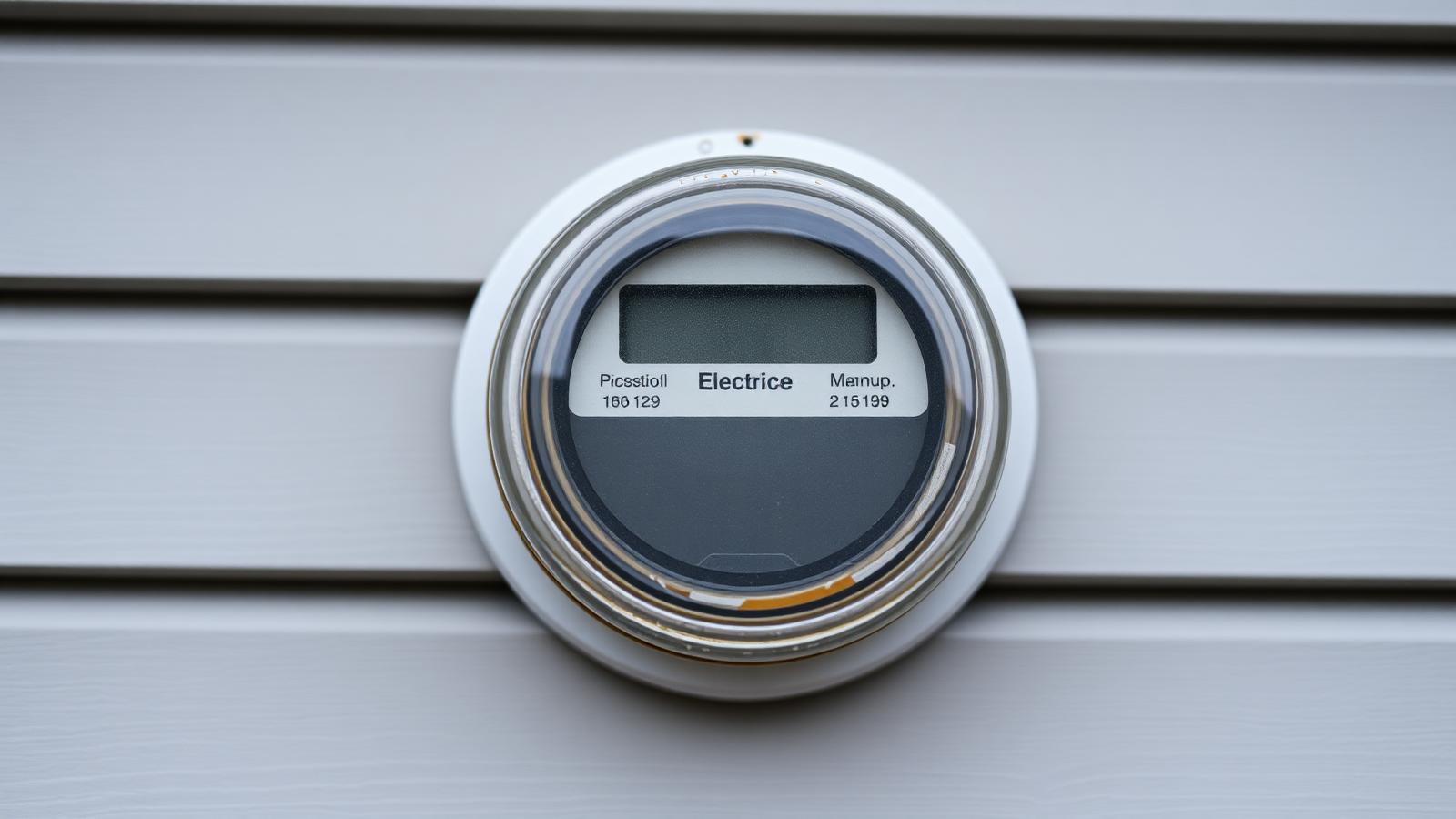
Let us be precise about something, because this topic attracts a lot of sloppy marketing language: buying electricity from your utility is not a scam, not a rental scheme, and not a trap. It is a regulated service that delivers a genuinely difficult product to your house reliably, at a price reviewed by state regulators.
What it is not, however, is an investment. And that distinction is worth examining carefully, because it is the structural difference between a utility payment and most other money a household puts into a home.
What your payment actually covers
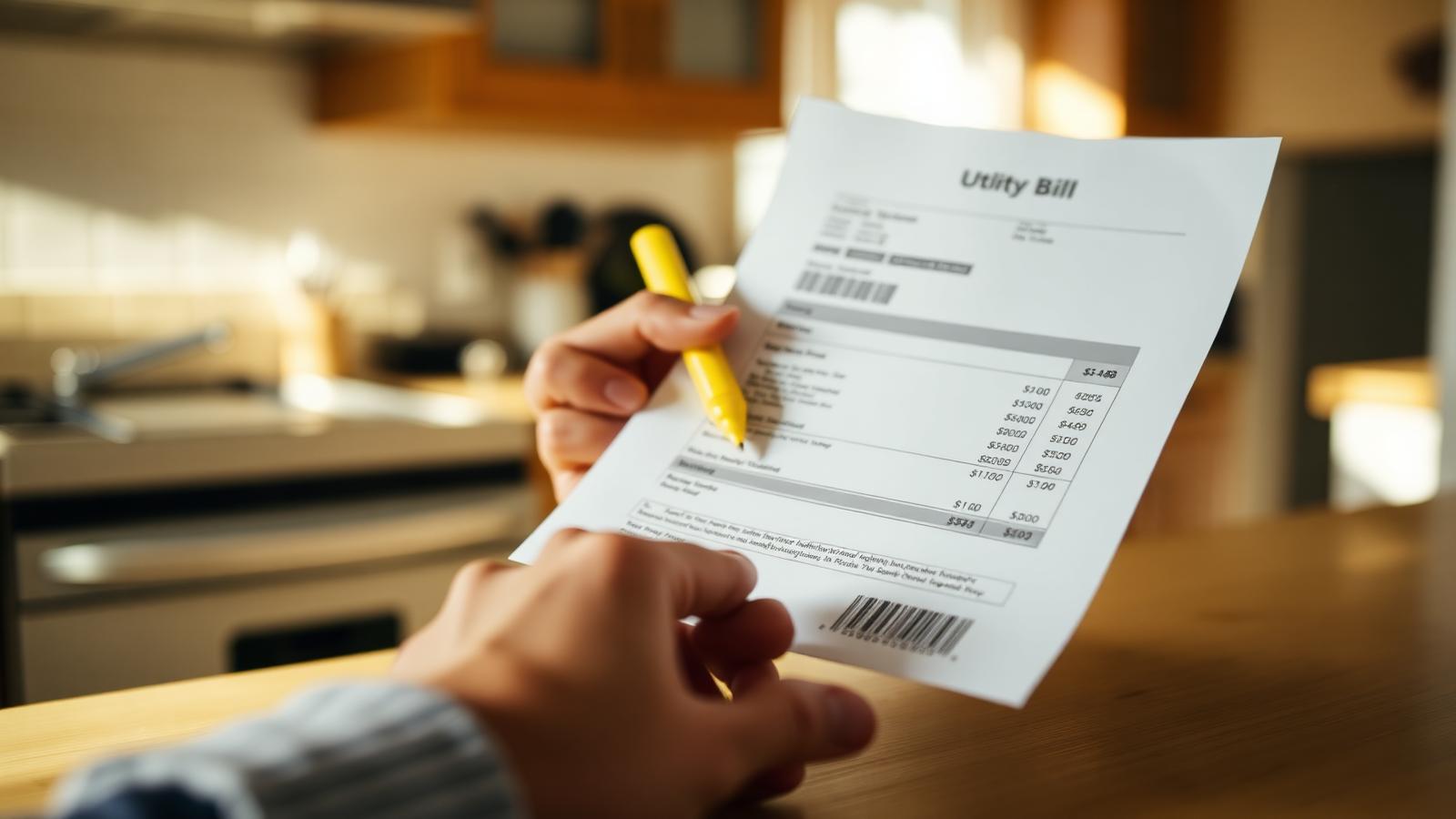
Each month's payment covers the electricity your household consumed during that billing period and the service required to deliver it — generation procured on your behalf, transmission across the regional grid, local distribution, metering, billing, and the crews who restore service after a storm.
That is a fair exchange for a valuable service. It is also, by design, complete at the end of the cycle. The transaction settles; nothing carries forward. Next month begins from zero.
| Household expense | What the payment covers | What remains afterward |
|---|---|---|
| Monthly electricity | Energy consumed and service delivered that period | Nothing carries forward to the next period |
| New HVAC system | Equipment and installation | An asset that operates for 12-20 years |
| Insulation upgrade | Materials and labor | A permanent reduction in heating and cooling load |
| Owned solar system | Equipment, installation, interconnection | An asset producing electricity for decades, subject to degradation |
Paying for Electricity vs. Investing in Home Energy
The comparison is not about which is better in the abstract. It is about what each structure does over a long horizon.
Recurring costs are open-ended
A utility bill has no term. There is no final payment, no amortization schedule, no point at which the obligation is satisfied. As long as the house is occupied, the expense continues — which is exactly why the ten-year and twenty-year totals get so large so quietly.
Rate uncertainty runs in one direction for planning purposes
Electricity costs can rise, hold or fall. Regulators can approve or reject requested increases. Supply auctions can clear high or low. From a household budgeting perspective, the practical issue is not the direction but the uncertainty: it is difficult to plan around a major recurring expense whose future price is unknown.
Grid dependence is a feature and a constraint
Grid service is what makes modern life possible, and even homes with on-site generation typically remain connected to it. But full dependence means full exposure to whatever the delivered price of electricity becomes.
How the alternatives are structured
For homeowners who do explore on-site generation, the structure of the project matters at least as much as the equipment.
Cash purchase
The homeowner owns the system outright and, subject to eligibility rules, is generally the party positioned to claim available incentives. Highest upfront cost, no financing charges, full exposure to performance and maintenance.
Solar loan
The homeowner still owns the system, with the cost spread over a term. $0 upfront options may be available to qualifying homeowners, depending on the project structure and lender requirements. Total cost includes interest, which is a real expense that should be visible in any comparison presented to you.
Lease or power purchase agreement
Where available, a third party owns and maintains the system. The homeowner pays a monthly amount for the equipment or for the electricity it produces. Upfront cost is typically minimal, the third party generally claims applicable incentives, and the escalator terms — if the payment increases annually — deserve close reading.
Each of these has different economics, different obligations at the time of a home sale, and different treatment of incentives. Our explainer on what $0 down actually means covers the qualification side in more detail.
Framing the comparison correctly
The wrong comparison is monthly bill versus monthly solar payment, which flatters whichever number is smaller in year one and ignores everything else.
A defensible comparison includes:
- Total electricity spending over the analysis period under stated rate assumptions.
- Total project cost, including financing charges, over the same period.
- The utility charges that remain after any on-site generation.
- Production degradation over time and any maintenance expectations.
- The condition of the roof and whether work will be needed within the analysis window.
- What happens if the home is sold before the end of the term.
What This Means for NJ Homeowners
Nobody needs to feel bad about buying electricity from a utility. Most households always will, at least in part. The useful takeaway is simply to stop treating a five-figure long-term expense as if it were a small monthly one, and to insist that any alternative be compared on the same terms — full cost against full cost, over the same period, with assumptions stated.
Whether an alternative makes sense for your home depends on your usage, your roof, your utility and the project structures you qualify for. Estimated savings are estimates, and actual results vary.
- Utility Bills
- Household Budget
- Home Energy