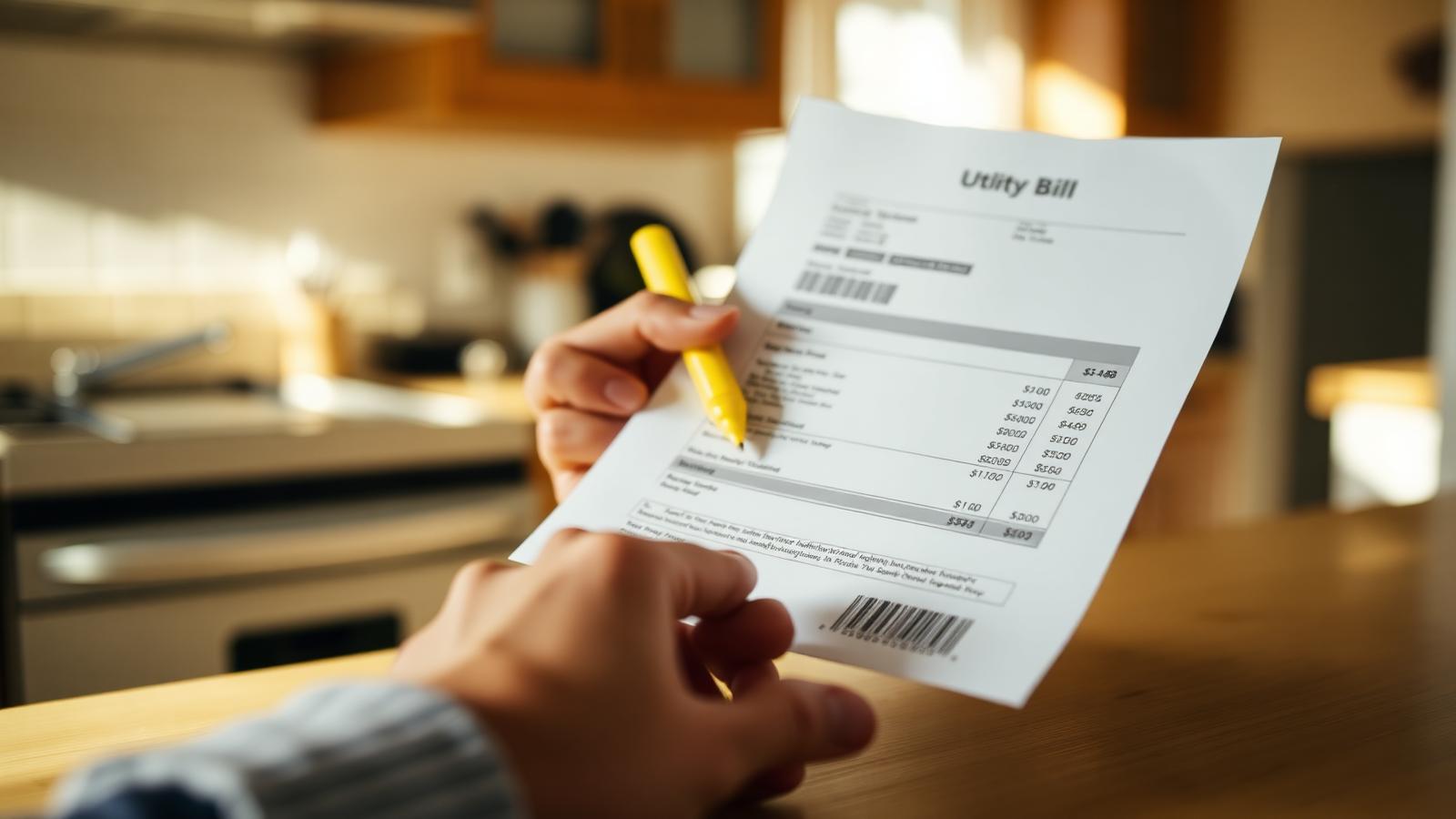
Paying $250+ a Month for Electricity in New Jersey? Here's What That Could Cost You Over 10 Years
A $250 monthly electric bill is $3,000 a year before anything changes. Stretched across a decade, the number surprises most households — and it is the number that should frame every energy decision.

Most households experience electricity as a monthly number. It arrives, it gets paid, and it disappears from view until the next one. That framing is exactly why long-term electricity spending is so consistently underestimated.
A $250 monthly electric bill is $3,000 a year. That is before any change in rates, before a new appliance, before a teenager moves back home, before an electric vehicle shows up in the driveway. It is the floor, not the ceiling.
The ten-year picture, if nothing changes
Start with the simplest possible assumption: your bill stays exactly where it is for a decade. No rate changes, no usage changes. This is not a forecast — it is a baseline that isolates how much money is involved.
| Monthly bill | Annual cost | 10-year total (flat) |
|---|---|---|
| $200 | $2,400 | $24,000 |
| $250 | $3,000 | $30,000 |
| $300 | $3,600 | $36,000 |
| $350 | $4,200 | $42,000 |
| $400 | $4,800 | $48,000 |
A second scenario: what if costs drift upward?
Nobody can tell you what New Jersey electricity will cost in 2036, and any article that claims otherwise is selling something. What we can do is show what a stated assumption produces, so you can judge whether the assumption is reasonable.
The table below applies a 3 percent annual increase. That figure is an assumption chosen for illustration only — not a forecast, not a utility filing, and not a promise about any rate case.
| Starting monthly bill | 10-year total (flat) | 10-year total (3%/yr assumed) | Difference |
|---|---|---|---|
| $200 | $24,000 | $27,517 | $3,517 |
| $250 | $30,000 | $34,396 | $4,396 |
| $300 | $36,000 | $41,275 | $5,275 |
| $350 | $42,000 | $48,155 | $6,155 |
| $400 | $48,000 | $55,034 | $7,034 |
The point of the second column is not the precise dollar figure. It is the shape of the curve: a modest annual drift produces thousands of dollars of additional spending without a single dramatic rate headline.
Why households underestimate what they will spend
The bill is invisible between due dates
Recurring expenses that arrive automatically get less scrutiny than one-time purchases of the same size. A household that would research a $6,000 purchase for weeks will spend $30,000 on electricity over a decade without ever running the total.
Usage grows quietly
The single biggest reason ten-year projections understate reality is that household electricity demand tends to increase over time. Consider what has changed in the average New Jersey home in the last decade:
- Air conditioning that runs longer and harder through humid summers.
- Heat pumps replacing fossil-fuel heating, shifting winter load onto the electric bill.
- Electric vehicle charging, which can add a substantial block of consumption for a single household.
- Home offices with monitors, networking gear and daytime climate control.
- Larger households — adult children at home, multigenerational living, more devices per person.
Any of these can move a household from one row of the table to the next. Adding regular EV charging alone has moved plenty of homes from the $200 row to the $300 row.
Where efficiency fits
Efficiency improvements are real and they are usually the cheapest first move. Sealing air leaks, adding attic insulation, replacing failing equipment with high-efficiency models and using controls intelligently all reduce consumption, and that reduction persists.
But efficiency reduces the quantity you buy, not the price you pay for what remains. For a household already spending $250 to $400 a month, a well-executed efficiency program might trim the bill by a meaningful percentage — and the remaining spending is still substantial. That is the honest framing, and it is where a lot of homeowners start asking a different question.
When it becomes worth evaluating alternatives
Producing electricity at home does not suit every property. Roof orientation, shading, roof condition, usage patterns and available project structures all determine whether a solar evaluation leads anywhere. Some homes are strong candidates; some are not, and a competent evaluation will say so.
What the ten-year table does establish is why the question deserves a real answer rather than a shrug. When the alternative is a five-figure spend either way, the comparison is worth twenty minutes of your attention. Our breakdown of whether your electric bill makes your home a good candidate walks through what actually gets evaluated.
What This Means for NJ Homeowners
- Multiply your current bill by 120. That is your ten-year electricity commitment at today's spending — before any change.
- Treat any percentage increase you see quoted as an assumption to test, not a fact to accept.
- Expect usage to grow, not shrink, unless you actively change something.
- Do the efficiency work first; it improves every scenario that follows.
- Then compare that ten-year figure against what alternatives would actually cost for your home.
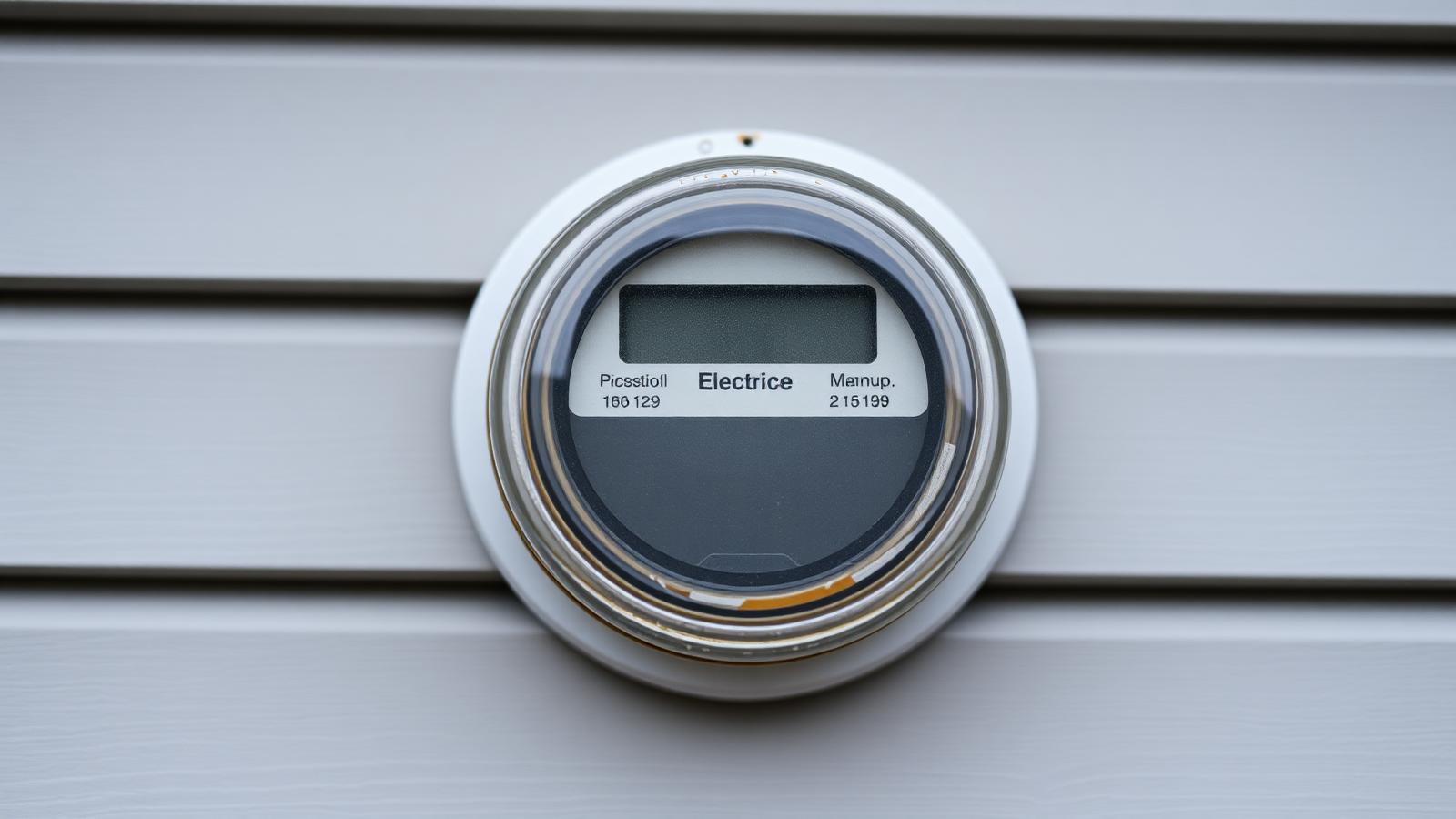
Your electricity bill already contains the information needed to make a much more personalized comparison — total kilowatt-hours, effective rate, and twelve months of history. Those three inputs turn a generic table into your table.
- Utility Bills
- Electricity Rates
- Household Budget