Went Solar Between 2005 and 2015? Your System May Qualify for an Upgrade
New Jersey's first wave of solar homeowners took a chance on a new technology. Many of those systems—and the roofs beneath them—are now reaching a turning point.
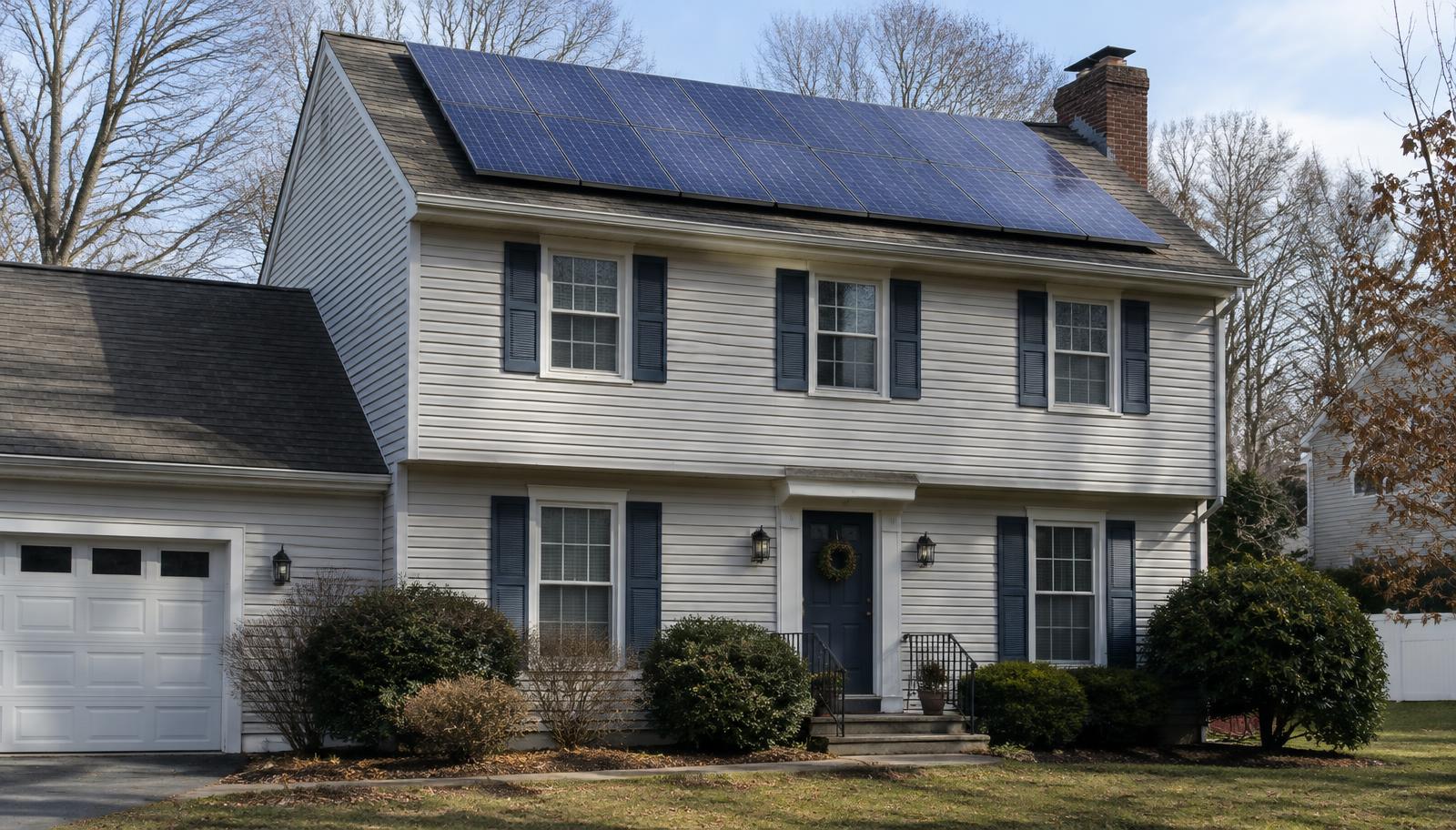
Long before rooftop solar was common on New Jersey streets, a group of homeowners decided to go first. Between roughly 2005 and 2015, they signed up for panels when equipment was more expensive, less efficient, and far less familiar to their neighbors.
Those early adopters helped make New Jersey one of the country's leading solar states. Now, a decade or more later, many of them are asking the same question: is my system still doing what it should?
Why First-Generation Systems Are Reaching a Turning Point
Solar panels are built to last, but the systems installed in that era face a few common challenges:
- Panel output naturally declines a little every year, and older modules started from lower efficiency.
- Many early string inverters were designed for 10–15 years of service and may be near the end of their life.
- The roof under the panels was often already several years old when the system was installed.
- Household electricity use has grown—EVs, heat pumps, and home offices weren't part of the original plan.
For many homeowners, the first sign is the electric bill. A home that once saw very small bills may notice them creeping up again.
What an Upgrade May Involve
- 1Review existing system & roof
- 2Remove older panels
- 3Replace roof if needed
- 4Install newer equipment
- 5Compare new production to old
| Typical 2010-era system | Typical system today | |
|---|---|---|
| Panel output | ~180–230 watts per panel | ~400+ watts per panel |
| Inverter | Single string inverter | Microinverters or optimizers |
| Monitoring | Limited or none | Panel-level app monitoring |
| Battery ready | Rarely | Commonly |
The Roof Under Your Panels
One of the most overlooked issues for early adopters is the roof itself. A roof that was ten years old when panels went up in 2009 may now be over 25. Replacing a roof later means removing and reinstalling the solar array anyway—so for many homeowners it can make sense to evaluate both at the same time.
Could Early Adopters Get Money Back?
Depending on the home and the program, some homeowners may qualify for incentives, credits, or other program benefits when upgrading. Whether you qualify—and how much any benefit may be—depends on your existing system, ownership terms, roof, energy usage, and current program rules.
That is why a review matters: there is no one-size-fits-all answer, and nobody can promise a specific amount before looking at your home.
Owned vs. Leased Systems
- Owned systems (paid in cash or with a loan) generally offer the most flexibility for upgrades.
- Leased or PPA systems may still have options, but they depend on the terms of your agreement.
- If you're not sure which you have, your original paperwork or monthly statements usually say.
Signs It May Be Time for a Review
- Your system was installed between 2005 and 2015.
- Your utility bill has been rising again.
- Your inverter has been replaced, shows errors, or is original.
- Your roof is original, over 20 years old, or showing wear.
- You've added an EV, heat pump, or other major electric load.
Frequently Asked Questions
Does the review cost anything?
No. It is free and there is no obligation.
Will I definitely get a new roof or cash back?
No. Eligibility is determined case by case, and some homes will not qualify.
What do I need?
Approximate install year, whether you own or lease, and ideally a recent utility bill.
Check Your Eligibility
See which programs may be available in your area and explore potential savings.
This content was created in partnership with an energy solutions provider. NJ Energy News maintains editorial independence.